Understanding Daily Wellness Practices for Men
An educational resource exploring natural ingredients and lifestyle practices that are part of everyday routines around the world.
Learn More About This Topic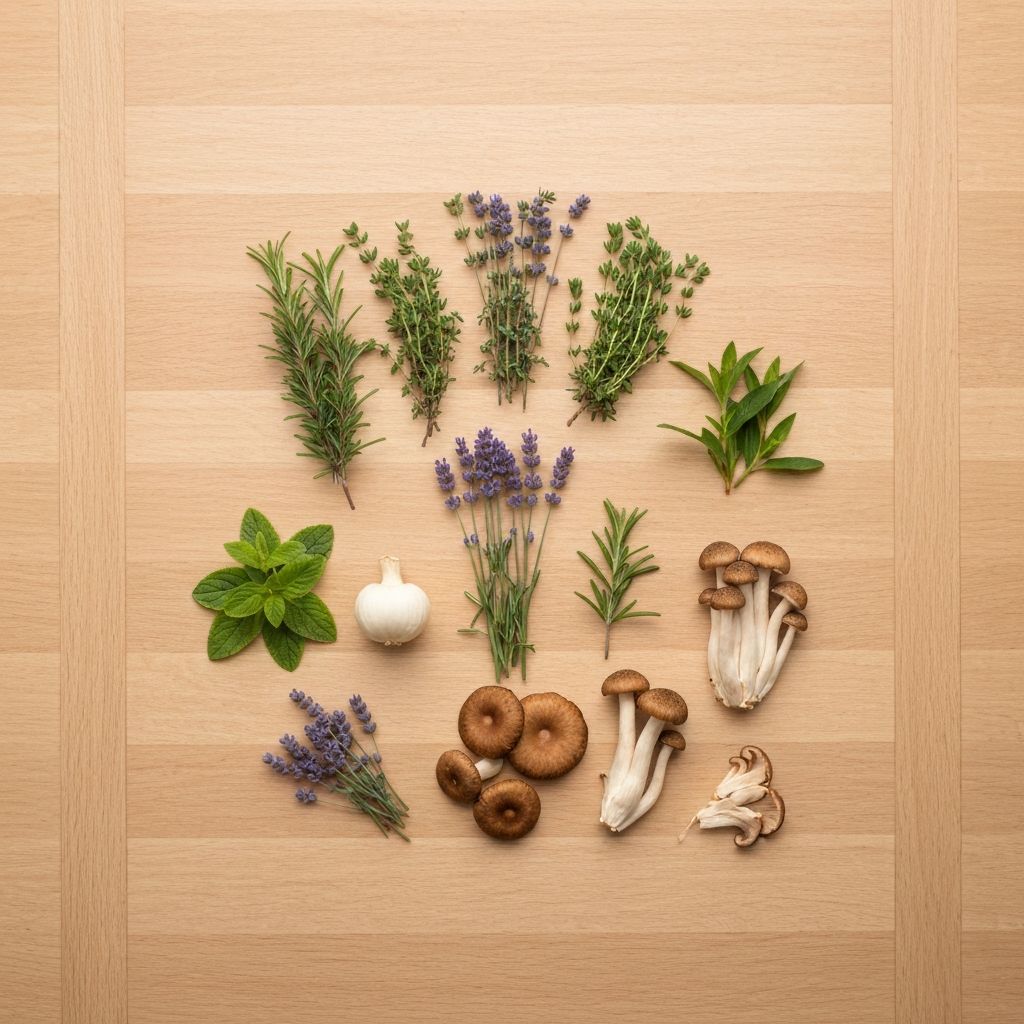
An educational resource exploring natural ingredients and lifestyle practices that are part of everyday routines around the world.
Learn More About This Topic
Natural ingredients refer to substances derived from plants, minerals, and other organic sources that have been part of human daily practices for centuries. These components are found in foods, beverages, and various preparations used in everyday life across different cultures.
Understanding the role of natural ingredients in daily routines involves exploring how different societies have incorporated plant-based elements into their lifestyle practices. This educational overview aims to provide general context about these widespread customs.
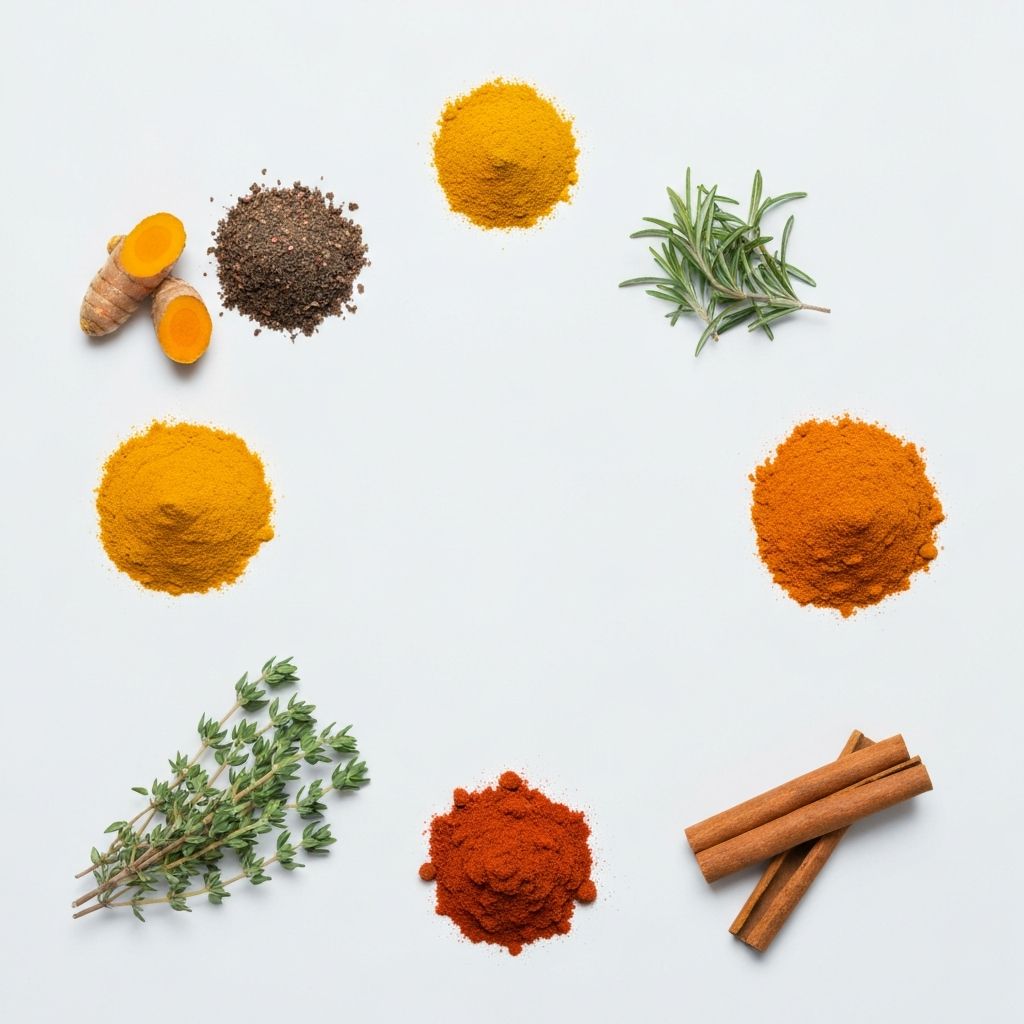
Plant-based wellness is a broad concept that encompasses the use of botanical elements in daily life. From the foods we consume to the environments we create, plants have played a significant role in human culture throughout history.
This educational section explores the general understanding of how plant-derived components are present in various aspects of daily living, without making specific recommendations or promises about outcomes.
Natural components used in daily routines can be broadly categorized into several groups. Understanding these categories provides educational context about the diversity of plant-based elements present in everyday life.
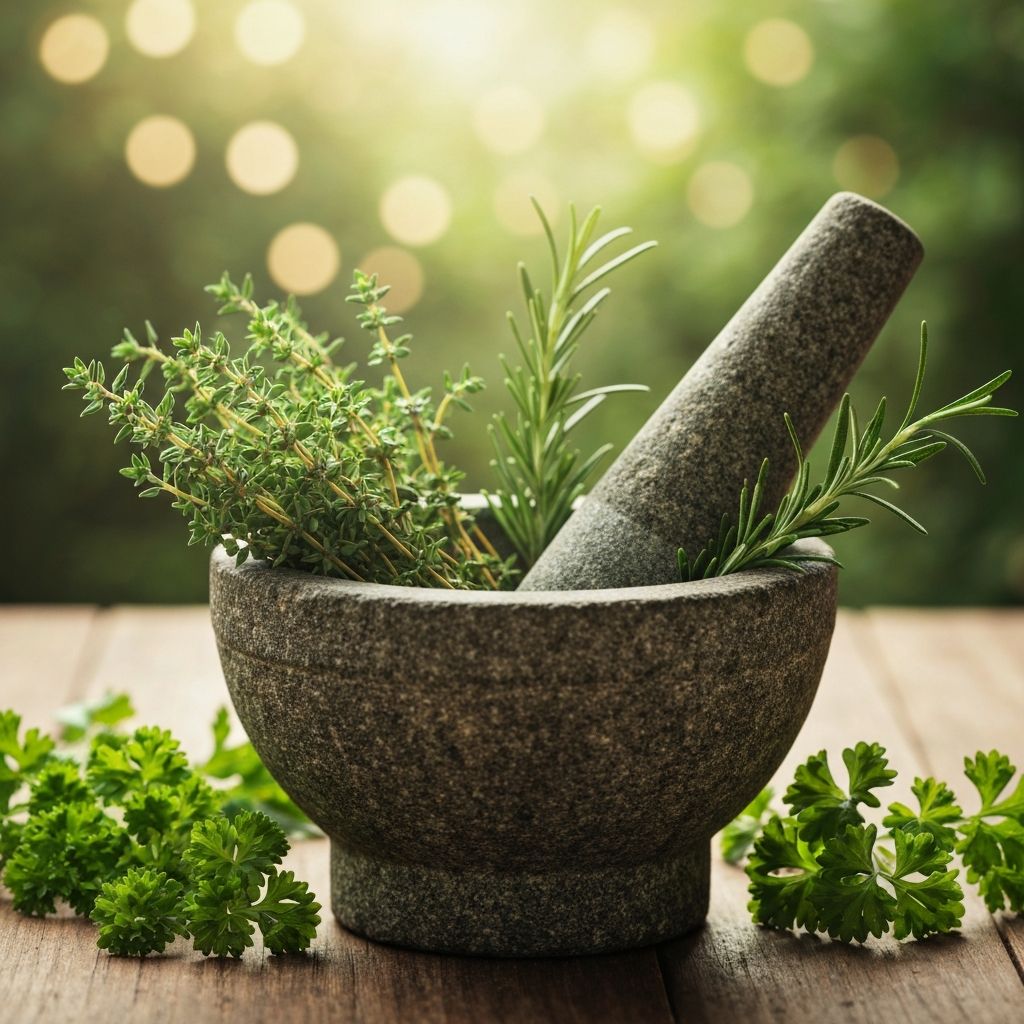
Herbs are plants valued for their aromatic, savory, or other qualities. They have been part of culinary traditions and daily practices in cultures worldwide for thousands of years.
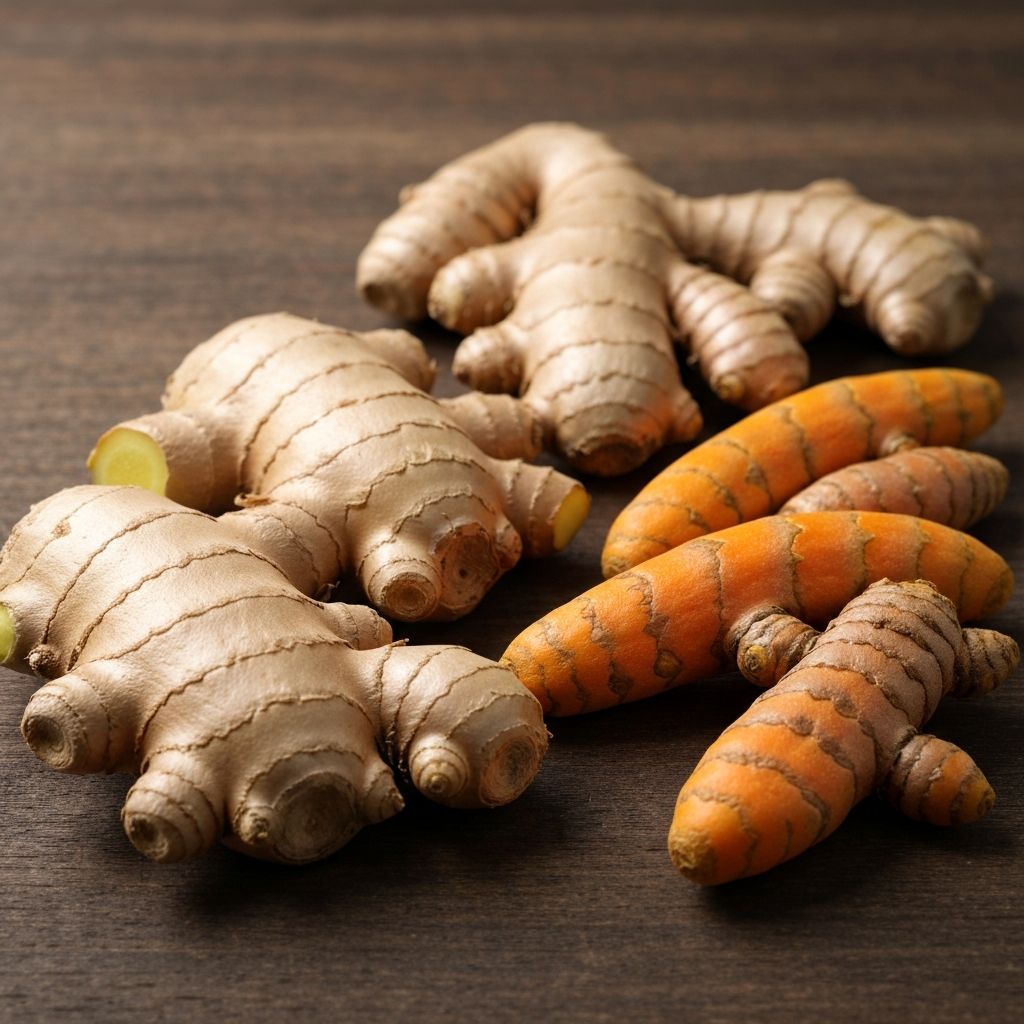
Many plants store nutrients in their roots, which have been traditionally used in various preparations. Ginger, turmeric, and similar roots are common examples found in kitchens globally.
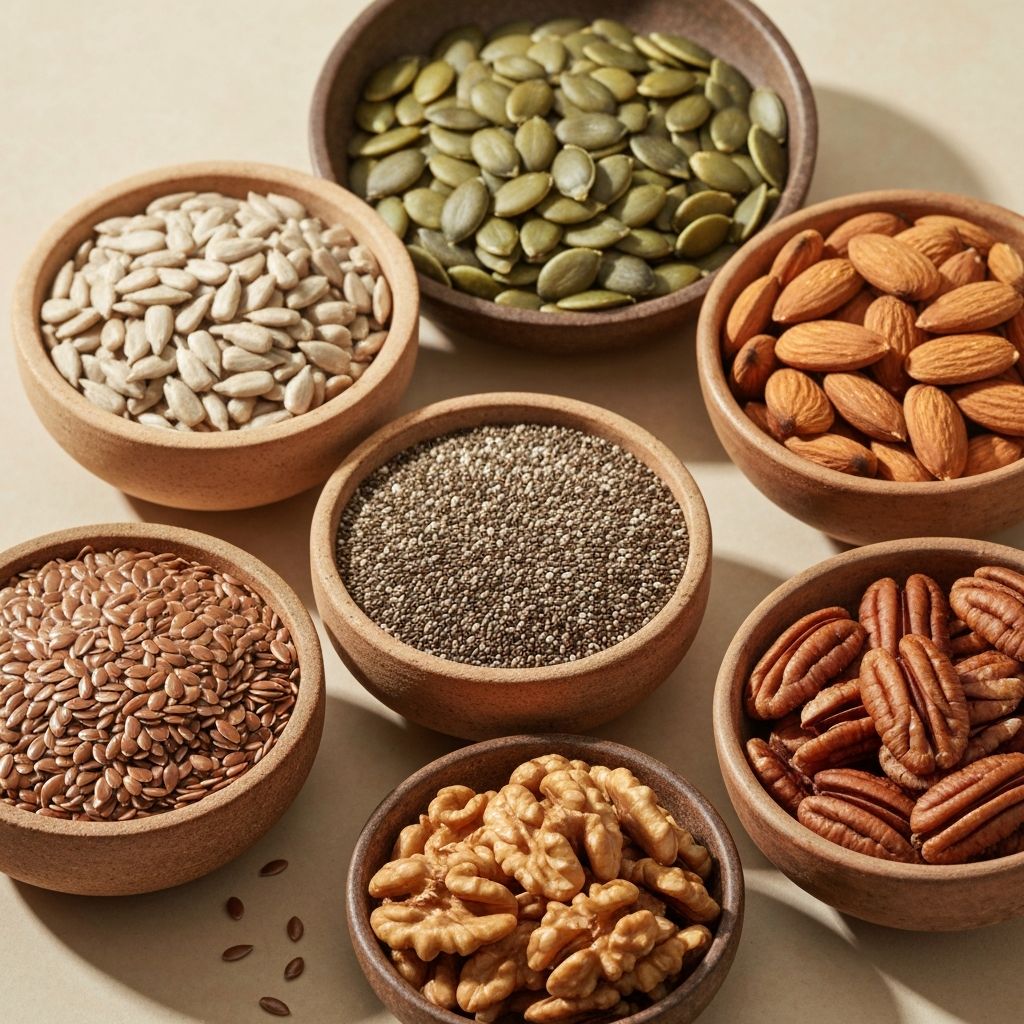
Seeds and nuts contain concentrated nutrients and have been dietary staples across civilizations. They represent another category of natural components in daily consumption.
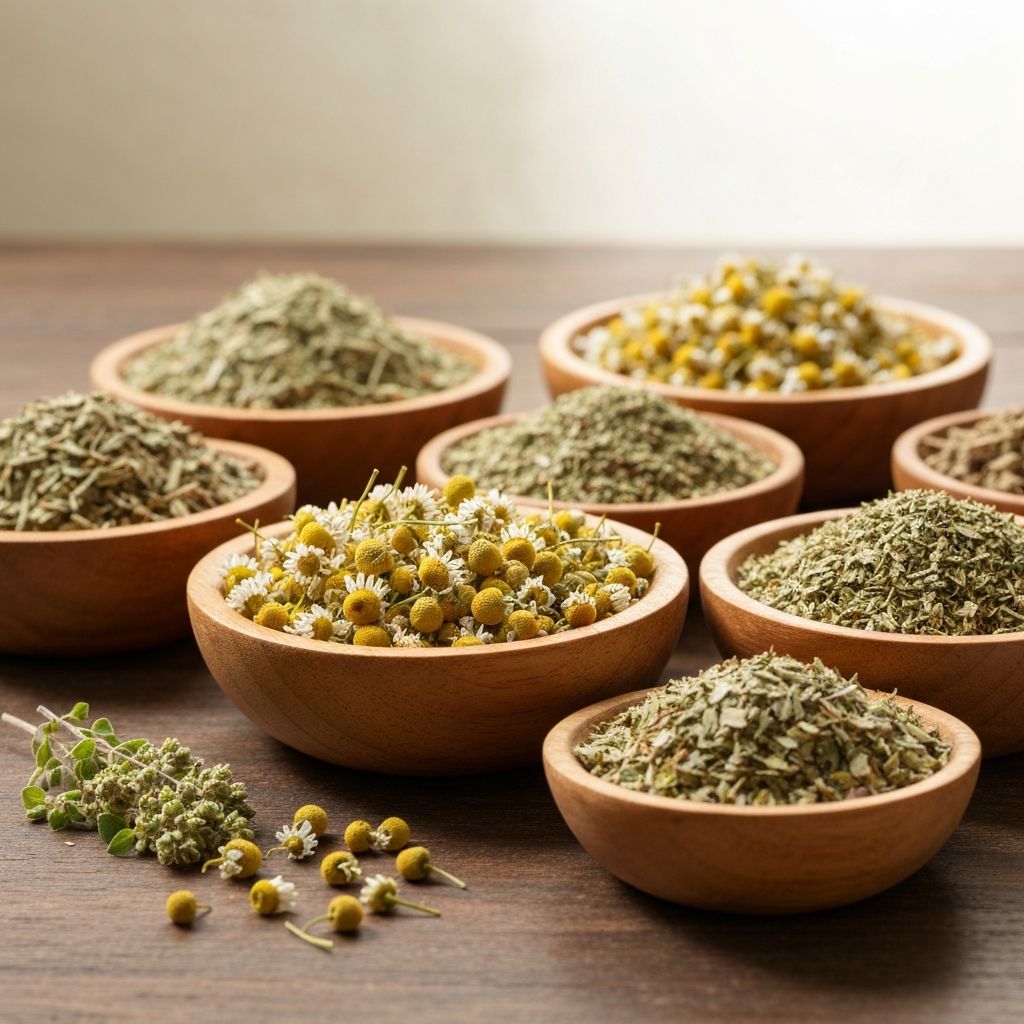
The use of natural ingredients in daily life has a rich historical context spanning multiple continents and civilizations. Ancient texts from various cultures document the presence of plant-based elements in everyday practices.
From traditional Asian practices to indigenous knowledge systems in the Americas, Africa, and beyond, natural ingredients have been woven into the fabric of daily routines. This historical perspective helps us understand the widespread nature of these practices.
Educational exploration of this history reveals how different societies developed their own approaches to incorporating natural elements into lifestyle practices, reflecting local flora and cultural traditions.
Lifestyle practices refer to the patterns of behavior and habits that individuals incorporate into their daily lives. These practices vary widely based on cultural background, geographic location, personal preferences, and available resources.
Daily routines encompass the regular activities people engage in from morning to evening. These may include dietary choices, physical activities, rest patterns, and various self-care practices that differ from person to person.
Different cultures have developed distinct approaches to daily wellness practices. What is common in one region may be unfamiliar in another, reflecting the diversity of human experience and tradition.
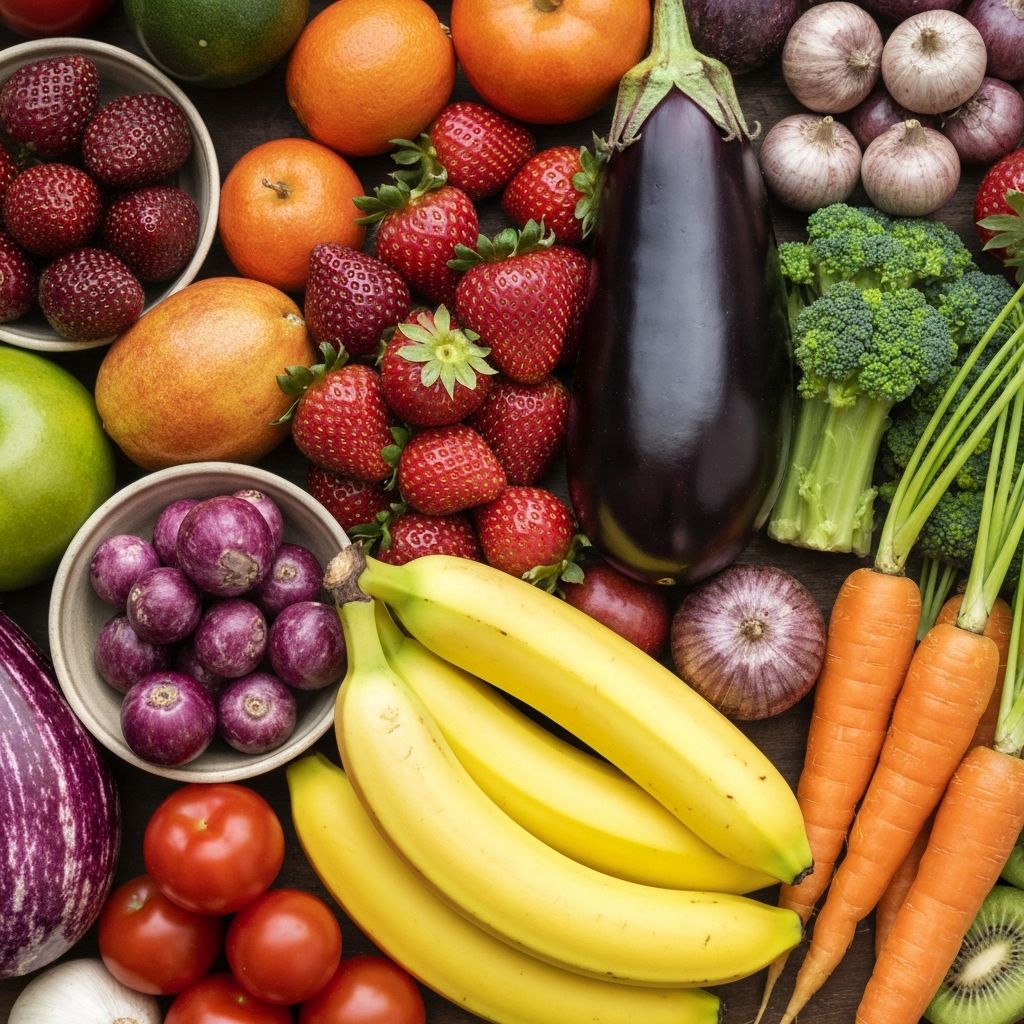
Nutrition plays a fundamental role in daily life, with food choices being a central aspect of lifestyle practices. The foods people consume vary based on availability, cultural traditions, and personal preferences.
Natural ingredients often form the basis of traditional cuisines around the world. Understanding the nutritional context of these ingredients provides educational insight into why certain foods have remained popular across generations.
Self-care is a broad concept that encompasses various practices individuals undertake as part of their personal routines. These practices differ significantly among individuals and are influenced by numerous factors including culture, resources, and personal choices.
The concept of self-care has evolved over time, with different eras and societies emphasizing various aspects. Today, self-care is often discussed in the context of maintaining balance in daily life, though interpretations vary widely.
Physical self-care practices may include activities related to movement, rest, and general body maintenance. These practices take many forms across different cultures and individuals.
Mental self-care involves practices related to cognitive and emotional aspects of daily life. Approaches vary widely, from contemplative practices to creative activities.
Social aspects of self-care involve interactions with others and community engagement. The importance placed on social practices varies among cultures and individuals.
Different regions of the world have developed unique perspectives on wellness and daily practices. These perspectives are shaped by local environments, available resources, historical developments, and cultural values.
In Southeast Asia, for example, tropical plants and spices have traditionally been incorporated into daily life. Mediterranean regions have their own distinct traditions, as do African, American, and other cultural zones.
Understanding these regional variations provides educational context about the diversity of approaches to daily wellness practices globally.
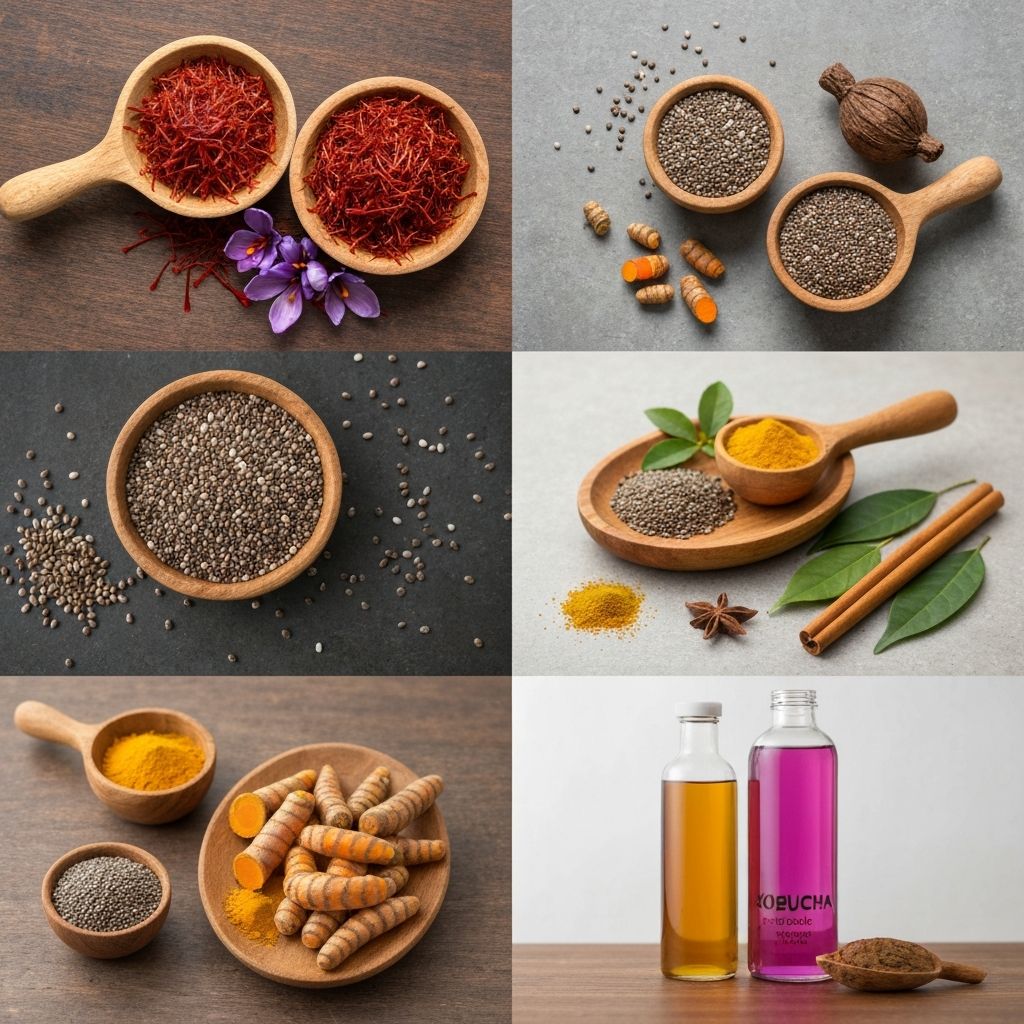
Learning about natural ingredients and lifestyle practices is an ongoing process. Various educational resources exist for those interested in understanding more about these topics, from academic research to cultural documentation.
This educational platform aims to provide general context and information about daily wellness concepts. The content is intended for informational purposes, helping readers develop a broader understanding of these widespread practices.
The information presented on this website is educational in nature and intended to provide general context about daily wellness practices and natural ingredients. This content does not constitute individual recommendations or personalized guidance.
Everyday life varies significantly among individuals based on numerous factors including geographic location, cultural background, personal circumstances, and individual characteristics. The practices described here represent general observations about widespread customs rather than specific advice.
This educational resource is not intended to replace personal decision-making or professional consultation when needed. Readers are encouraged to consider their own unique circumstances when exploring any lifestyle-related topics.
Explore more informational content about natural ingredients and daily wellness concepts.
View Informative Overview